Rotomolding Trends Driving Custom Packaging and Products


Rotational molding, typically called rotomolding, enables models to create highly tailored items that reflect their identity. Unlike different production strategies, Rotational Molding helps complex forms, large components, and lively colors without large tooling costs. That flexibility helps companies to identify themselves visually and functionally.
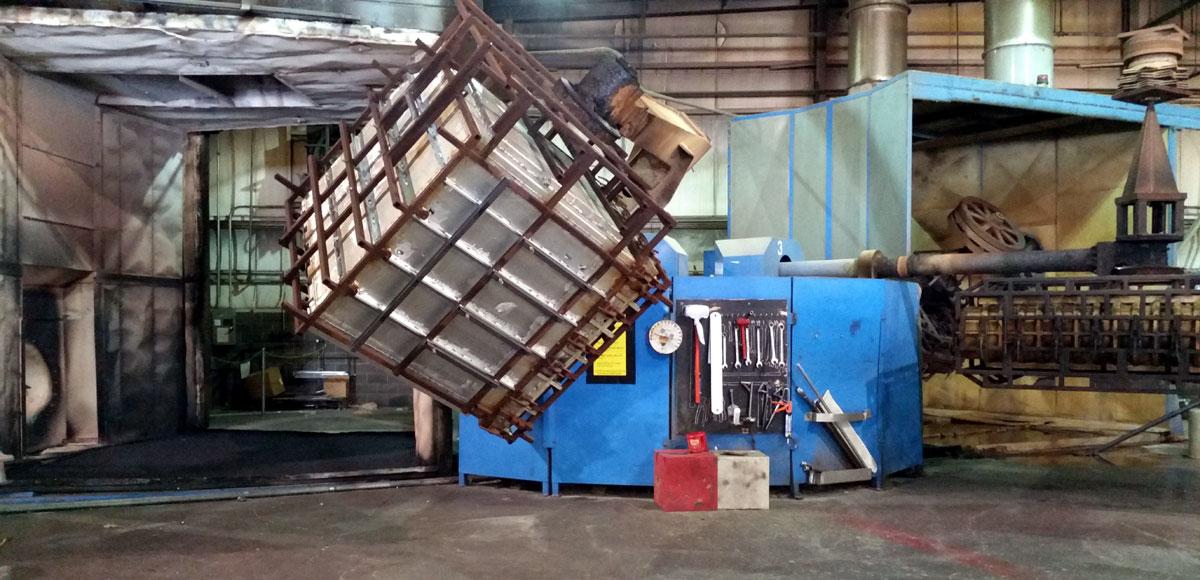
How does rotomolding allow unique designs for brands?
The process involves heat a powdered plastic in the mold while rotating it on multiple axes. This rotation ensures an even layer of product over the mold walls, enabling complicated geometries and consistent thickness. Manufacturers can integrate their logos, habits, or designs straight into the item, creating those items straight away recognizable.
The Role of Rotomolding in Customized Product Design
What industries are seeing the most advertising impact through rotomolding?
Retail, outside gear, automotive, and client things groups are leveraging rotomolding for branded products. For example, companies providing storage units, refrigerators, or promotional products may use custom colors and patterns that match their advertising guidelines. The versatility of rotomolding reduces generation restrictions and encourages creative experimentation.
Why is rotomolding chosen over treatment molding for personalisation purposes?
While shot molding is successful for bulk manufacturing, it restricts size, wall thickness, and style complexity. Rotomolding enables greater and useless services and products with clean materials suitable for branding elements. The absence of inner challenges also gives durability, indicating printed products and services maintain their look around time.
Why Firms Rely on Rotomolding for Custom Marketing Options
How do little firms benefit from rotomolding?
Rotomolding needs somewhat low-cost conforms in comparison to different methods, making it available for little to moderate enterprises. Companies may release limited-edition services and products or periodic campaigns without large upfront investment. That affordability permits testing model concepts and gathering client feedback effectively.
Can rotomolding improve environmental advertising initiatives?
Sure, several rotomolded products could be created using recycled components or created for reuse. Models focused on sustainability can spotlight eco-friendly initiatives through custom products and services, reinforcing their commitment to responsible manufacturing.
Rotomolding Styles Operating Custom Appearance and Items
What design developments are emerging in rotomolding for marketing?
Brands are significantly using gradient shades, distinctive completes, and multi-layer designs. There is also a growing focus on active components like modular components or integrated handles that arrange with person experience and brand storytelling. Rotomolding's freedom accommodates these innovations.
How is engineering shaping rotomolding for manufacturer differentiation?
Breakthroughs in CAD computer software and mold-making technologies allow precise simulations of shade location, architectural reliability, and texture styles before production. Manufacturers can optimize their types, ensuring regular visible impact across numerous product lines.
Unlocking Company Potential Through Rotomolded Innovations
What's the long-term influence of rotomolding on model understanding?
Products that are visually special and functionally remarkable develop powerful consumer associations. Rotomolding's ability to create durable, aesthetically fascinating, and personalized objects strengthens company loyalty. With time, companies leveraging rotomolding for marketing frequently knowledge larger client acceptance and engagement.
To conclude, rotomolding is not really a manufacturing method—it's a proper software for developing model identity. Their usefulness, cost-effectiveness, and style flexibility allow it to be a popular selection for companies aiming to stick out in packed markets.